
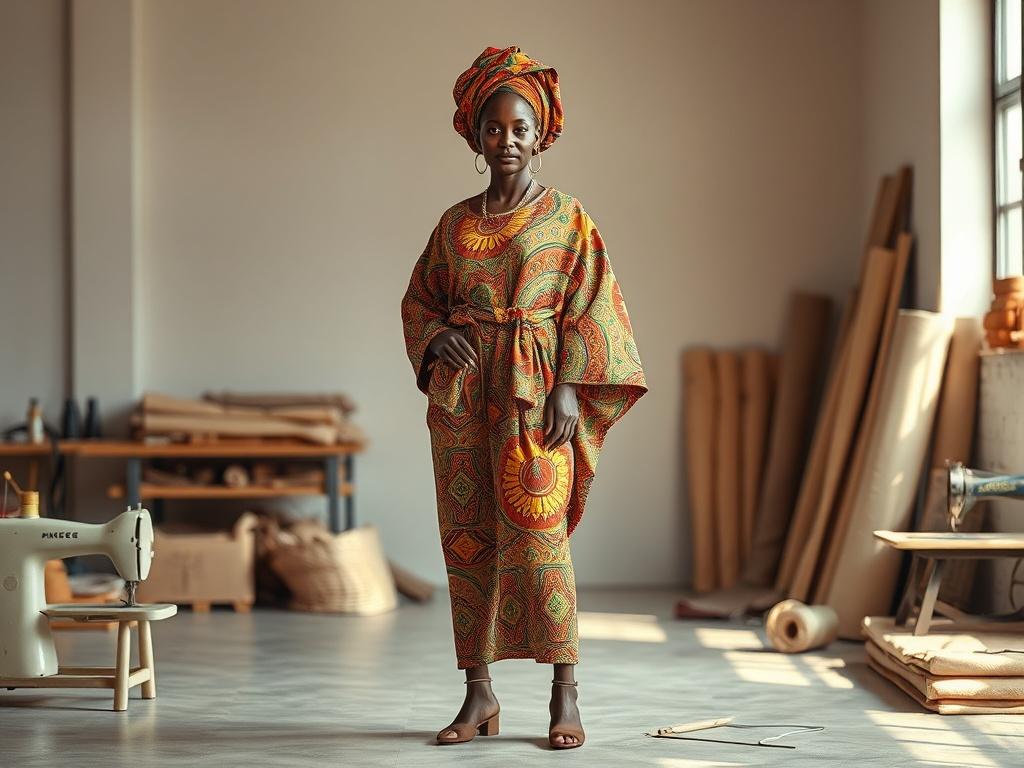
African fashion is a vibrant tapestry woven from rich cultural heritage, historical significance, and dynamic evolution. As we explore the rich history and evolution of African fashion through the ages, we uncover a narrative that transcends time and geography. Each garment tells a story, reflecting the intricate artistry and diverse traditions of the continent’s many communities. From the ceremonial attire of ancient tribes to the modern interpretations that blend tradition with innovation, African fashion serves as a mirror to the societal changes and artistic expressions that have defined various eras.
As we delve deeper into the evolution of African fashion, we will spotlight key styles and influences that have shaped its trajectory. The beauty of African fashion lies in its diversity, capturing the essence of each region's unique identity while influencing global trends. Today, contemporary African fashion is not merely a local phenomenon; it actively engages with the world stage, celebrating the continent's creativity and resilience. Join us on this journey as we explore the rich history and evolution of African fashion through the ages, highlighting the vibrant contributions that continue to shape a global narrative.
Discovering the roots: The rich history of African fashion
African fashion boasts a vibrant tapestry woven from diverse cultures, traditions, and histories. From the ancient civilizations of Egypt, where linen and beadwork symbolized wealth and status, to the intricate textiles of the Ashanti people in Ghana, every region of Africa showcases unique techniques and materials. Traditional garments, such as the Maasai shuka or the West African boubou, not only reflect individual identities but also serve as a canvas for storytelling, representing important cultural narratives passed down through generations.
The rich history of African fashion extends beyond mere aesthetics; it is deeply intertwined with societal values and historical events. Colonial influences, trade routes, and cultural exchanges shaped the evolution of these styles over time. As artisans embraced and adapted materials like cotton, silk, and wool, they infused traditional designs with contemporary elements, bridging the gap between past and present. By delving into this rich history, we come to appreciate not just the beauty of African fashion, but also the resilience and creativity of its people in preserving their heritage while adapting to changing times.
Evolution through the ages: Key styles and influences in African fashion
African fashion has undergone remarkable transformations over the centuries, marked by the infusion of various cultural influences and historical events. From the vibrancy of traditional garments adorned with beads and intricate patterns to the bold modern designs that dominate runways today, each era has contributed to the rich tapestry of African style. The influence of colonialism, for instance, introduced Western fabrics and tailoring techniques, leading to a fascinating blend of traditional and contemporary aesthetics. Designers began to experiment with silhouettes while incorporating indigenous textiles such as kente cloth and mud cloth, thereby creating unique styles that resonate with both local and global audiences.
As we moved into the 21st century, the digital age revolutionized the world of African fashion, opening avenues for creativity and expression that were previously unimagined. The rise of established and emerging African designers, such as Ozwald Boateng and Amaka Osakwe, reflects this evolution, with their work showcasing the seamless combination of heritage and innovation. Streetwear influenced by urban culture has started to gain traction as a significant force within the fashion landscape, resonating with younger generations. This dynamic amalgamation of influences not only highlights the versatility of African fashion but also ensures that it remains a vibrant source of inspiration, continuing to evolve while retaining its rich historical roots.
Celebrating diversity: How contemporary African fashion is shaping a global narrative
Contemporary African fashion serves as a vibrant reflection of the continent's diverse cultures, traditions, and artistic expressions. Fashion designers from various countries, such as Nigeria, South Africa, and Kenya, skillfully blend traditional motifs with modern aesthetics, creating original and eye-catching pieces that resonate worldwide. Events like African Fashion Week and the Lagos Fashion and Design Week provide global platforms for these innovative talents, allowing their work to reach broader audiences. As these designers draw inspiration from their heritage while embracing modern tailoring and materials, they redefine the aesthetics of African fashion, captivating both local and international markets.
Moreover, the rise of social media amplifies the voices of African fashion creatives and cultivates a sense of community among enthusiasts. Influencers and fashion bloggers use platforms like Instagram and TikTok to celebrate and promote African brands, increasing their visibility in the global fashion scene. This interconnectedness transforms how the world perceives African fashion, shifting it from a niche interest to a mainstream phenomenon. As contemporary African fashion continues to thrive, it challenges stereotypes, sparks conversations about identity, and fosters appreciation for the continent's rich artistic heritage, empowering a new generation of creators in the process.